In Raleigh, North Carolina, our late winters often bring a mix of cool, wet days that hang around much longer than anyone likes. While many homeowners are busy thinking about spring projects ahead, what sneaks in during this stretch of damp weather is mold. Wood decks that stayed dry during fall can suddenly become prime spots for mold growth when moisture doesn’t dry out quickly.
Even small patches can cause trouble. Mold may seem like a surface problem at first, but once it starts spreading, it can make deck care a lot more challenging. If it goes unnoticed now, it creates bigger issues when it’s time for deck restoration in Raleigh later in the season.
Why Mold Loves Wood Decks in Late Winter
Wet weather isn’t always the obvious kind. Around here, mild days with no sun and high humidity can keep wood damp well into February. These are the kinds of conditions mold prefers. The cooler air doesn’t evaporate water as quickly, so surfaces stay wet longer than you’d expect.
Wood doesn’t dry out like concrete or vinyl. It’s more absorbent, which gives moisture a place to settle in. That problem gets worse if the deck wasn’t sealed properly or hasn’t been treated in years. And it’s not just rain or humidity. Shade and drainage play a role too.
Here’s what makes decks even more likely to develop mold as winter wraps up:
• Areas under trees or in full shade take longer to dry out during the day
• Gutters that back up or spill over can drip water along the edge of the deck
• Dirt and leaves trap moisture against the boards, letting mold cling to the surface longer
By the time mold is visible, many of these areas have already been damp for days, if not weeks.
Hidden Risks That Come with Mold Growth
It’s tempting to brush off mold as just a cleaning issue. But what it does to the wood underneath is where things get costly and harder to fix. Mold that sticks around starts to work its way deeper into the boards, not just stay along the surface.
That damage starts slow. But as moisture stays locked in, boards can begin to soften and lose their shape. And the more that mold breaks down the fibers, the quicker the wood starts to rot. Things become slippery too, which increases the chance of someone slipping when walking across the deck.
Letting things sit for too long can lead to:
• Sections of the deck becoming soft, brittle, or unstable
• Discoloration that’s hard to remove without sanding or full refinishing
• Hidden structural risks underneath parts that look solid on top
By that point, you’re not just cleaning up mold. You’re looking at replacing key sections you didn’t expect to touch.
How to Spot Early Signs Before Spring
Catching mold early helps you control both the cost and the effort it takes to fix it. But during winter, some of the usual red flags are less noticeable since we spend less time outside. A quick check now, during the lull before spring, can save you from surprises later.
Here’s what we always keep an eye on when checking decks this time of year:
• Black or green spots, especially near the base of posts or corners where water collects
• Soft or warped boards that don’t feel firm when stepped on
• Fuzzy areas under planters or deck furniture that haven’t moved for a month or longer
If you tend to stack furniture or store items on your deck during winter, now’s the time to take a look underneath. Anything that blocks airflow increases the chance that mold is already growing below, where it’s harder to notice.
Why Quick Help Matters for Preservation
Once mold grabs hold of the deck, putting it off never helps. Every extra week of damp weather gives it more time to spread, which makes repairs more serious later. This part of the year gives you a small window before spring rain ramps up and makes everything harder to dry out.
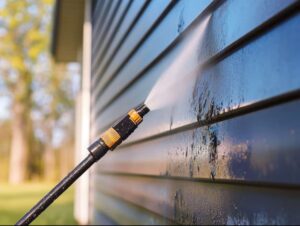
When things are caught early and taken care of quickly, it’s easier to preserve the structure of the deck without needing full reconstruction. We’ve seen plenty of situations where timely work avoided deeper fixes. The Bearded Washer Exterior Services uses professional-grade equipment to remove dirt, mold, and grime from decks safely and effectively, helping restore a bright, clean surface before more damage sets in.
Here are a few reasons it helps to act quickly when mold shows up:
• It’s easier to clean before moisture sets deeper into the wood
• It costs less to treat damaged spots than to replace entire boards
• Starting deck restoration in Raleigh before the rainy season ensures new damage doesn’t pile onto old
Nobody likes handling outdoor projects in January or February. But jumping in now means fewer headaches later when spring gets wet and schedules are tight.
When Deck Damage Becomes a Bigger Problem
Decks are usually connected to the rest of the home in some way, which means mold doesn’t always stay in one place. When water drips or leaks from moldy boards, it can quietly work its way over to siding, steps, or crawlspaces, especially if those areas don’t drain well.
Long-term wood damage also gives entry points for pests or leads to sagging boards that become safety problems. Once rot sets in, it spreads under the surface and may not be visible until it’s too late. Replacement becomes more likely, and a quick fix turns into a much bigger job.
Bigger risks from delayed maintenance include:
• Compromised structure in the framing or supports below the deck surface
• Damage to nearby areas, like siding or stair rails, from constant mold exposure
• Water build-up that draws pests or leads to mildew along other corners of the house
These kinds of problems often pop up when people wait until mid-spring to take a close look.
Protect Your Deck Before Spring Arrives
The way mold forms in a Raleigh winter makes it one of those problems you don’t always notice right away. It doesn’t need a big storm or major roof leak to start spreading. Just a couple weeks of rain and low sun can be enough to trigger the kind of trouble that hangs around longer than expected.
Now is the right time to watch for warning signs. Whether it’s a few patches around the deck rail or warped wood below a planter, acting soon helps prevent much bigger fixes as the warmer months roll in. Mold travels fast when we aren’t keeping an eye out. The best way to stay ahead of its damage is to give your deck a quick scan now, before the real weather shift takes over.
Noticing early signs of mold on your deck can save you time and money if addressed before spring arrives. In Raleigh, North Carolina, late winter weather often creates the perfect conditions for more serious issues, so staying ahead of repairs protects both your deck and your home. The Bearded Washer Exterior Services is a veteran-owned, fully insured pressure washing company serving Raleigh and surrounding Wake County communities, and every project comes with a satisfaction guarantee. Our team at The Bearded Washer Exterior Services is here to help you take the next step in deck restoration in Raleigh. Reach out to schedule an inspection or get answers to your questions today.