As winter fades and spring starts warming things up in Raleigh, it’s easy to notice that driveways don’t always bounce back with the sunshine. Instead of looking fresh, many of them have new stains that showed up sometime between December and March. If you’ve stepped outside recently and spotted patches, streaks, or dull marks that won’t rinse away, you’re not the only one.
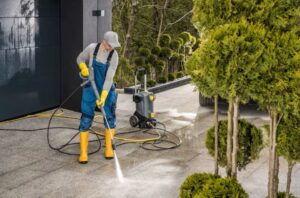
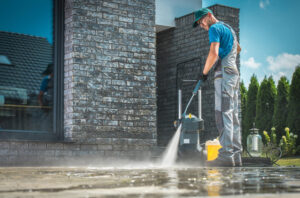
One of the first things people look into this time of year is driveway pressure washing in Raleigh. Cold months leave behind a mix of grime and wear that sticks to concrete until it’s properly removed. The Bearded Washer Exterior Services provides concrete cleaning for driveways, sidewalks, patios, and pool decks in the Raleigh area, using professional-grade equipment to restore a bright, clean surface. But why does it happen every year, and why does it seem worse each spring? The answer usually comes down to the way road materials, moisture, shade, and even cars interact with concrete over time.
When Salt and Sand Stick Around
Raleigh doesn’t get much snow in winter, but we still get our fair share of salt, brine, and sand scattered across roads. These materials are meant to improve traction and melt ice, but they don’t always stay where they’re spread. Every time a car pulls off the street and into a driveway, it brings some of those extras with it.
What happens next is hard to spot right away. Salt and sand get ground into the surface as tires roll over the driveway, and they usually settle deep into the small pores and cracks of the concrete. Winter rain helps a little, but not enough to wash them fully out.
Some signs this is happening include:
- White or gray streaks that stick around after drying
- Rough patches near the same place you park
- Tire marks with dark outlines trapped under glaze-like buildup
These spots often spread or deepen over time. Light rinsing can’t pull them out fully because of how tight the particles cling under the surface.
Mold and Mildew Grow in the Shade
Not all stains are caused by traffic. Some just need time, water, and a spot that stays out of the sun. Driveways that sit in the shade, whether from trees, fences, or the angle of the home, have a harder time drying after rain or overnight moisture.
That leftover dampness hangs around, and when concrete stays wet for days in a row, mold and mildew start to form. These stains are usually greenish or dark gray, and they tend to appear right along the edges of shaded areas. They can spread quietly through winter while the weather stays cold, and most people don’t see how far they’ve gone until spring light makes them stand out.
What makes them tricky to deal with is they’re not just surface-level grime. The longer they sit, the stronger they hold. Even a bright sunny day can’t scrub them off without extra help.
Dirt and Debris Settle All Season
Winter isn’t known for landscaping, which means leaves, needles, and branches often go unattended. If your driveway sits under pine trees or near a leafy yard, all that buildup has time to sit, break down, and leave marks that normal rain won’t fix.
Here’s what we usually see:
- Piles of broken-down debris that leave behind dark patches
- Muddy water tracks left from storms that pushed dirt down the driveway
- Clogged corner drains that kept rain from flowing away properly
When runoff doesn’t have good drainage, it pools. Those puddle rings soak into the concrete and can lead to streaking or splotchy finish across the surface. This kind of staining shows up stronger once the sun returns.
Oil Leaks Show More After Cold Months
Winter brings cooler starts, more warming-up time, and sometimes more parking in the driveway instead of the street. As car engines work harder in the cold, they’re more likely to leave behind small drips of oil, brake fluid, or other residue. But because winter weather means less sunlight and more rain, those leaks sometimes go unnoticed for weeks.
Once spring arrives and the surface of the driveway is dry, those spots stand out. Oil-based stains often show up as dark, almost sticky marks you can’t just scrub away. The rough texture of concrete grabs fluid quickly, and if it soaks in while cold, it tends to lock in deeply.
A few signs of leftover oil marks include:
- Dark circular stains near common parking spots
- Slightly sticky surface, even when dry
- Residue that returns after light hosing
These are the types of stains that stay year after year if they aren’t removed with more focused cleaning.
Fading and Wear Become Obvious in Spring Sunlight
After months of cloudy skies, the stronger sunlight in March helps reveal more than just green grass. It shows the dry wear lines and dull patches that have been building up on the driveway since fall. Any concrete that’s been exposed to traffic, weather, and runoff all winter starts to show unevenness and fading once it’s fully lit again.
You might notice:
- Spots that look lighter or darker than the rest
- Thin cracks starting to collect dirt
- Worn-out surface texture that feels chalky or looks dusty
These problems come from a mix of weather and time. UV exposure, temperature swings, and constant runoff slowly break down the clean surface. Once the bright spring sunlight hits, it makes the difference more obvious, especially if part of the driveway has been protected by an overhang or parked car.
A Fresh Start for Raleigh Driveways
The stains and streaks we see each spring aren’t new, they’ve been building up for months while everything stayed quiet under cloudy skies. Once the warmer light returns and people start spending more time outside, those dull patches and grime rings grab attention fast.
By understanding what causes these kinds of stains, it becomes easier to keep them from building too far in the first place. Timing clean-up jobs early in the season helps concrete surfaces bounce back faster and prevents leftover residue from setting in for another year. That early attention can keep your driveway clear, safer to walk on, and easier to maintain as the weather continues to warm up across Raleigh, NC. The Bearded Washer Exterior Services focuses on Wake County communities, including Raleigh, Cary, Apex, and Garner, and every project comes with a satisfaction guarantee so driveway cleaning results last and look consistent.
Spring stains like salt, oil, debris, and mildew can quickly take a toll on your driveway if left untreated, wearing down the surface over time. We help homeowners stay ahead of seasonal buildup with expert cleaning and care, making a real difference in how long your concrete stays in top shape. To get started with driveway pressure washing in Raleigh, reach out to The Bearded Washer Exterior Services today.